
Investor Education
LTC vs. LTV: What's the Difference?
June 20, 2026 · 5 min read · WJR Equity Lending
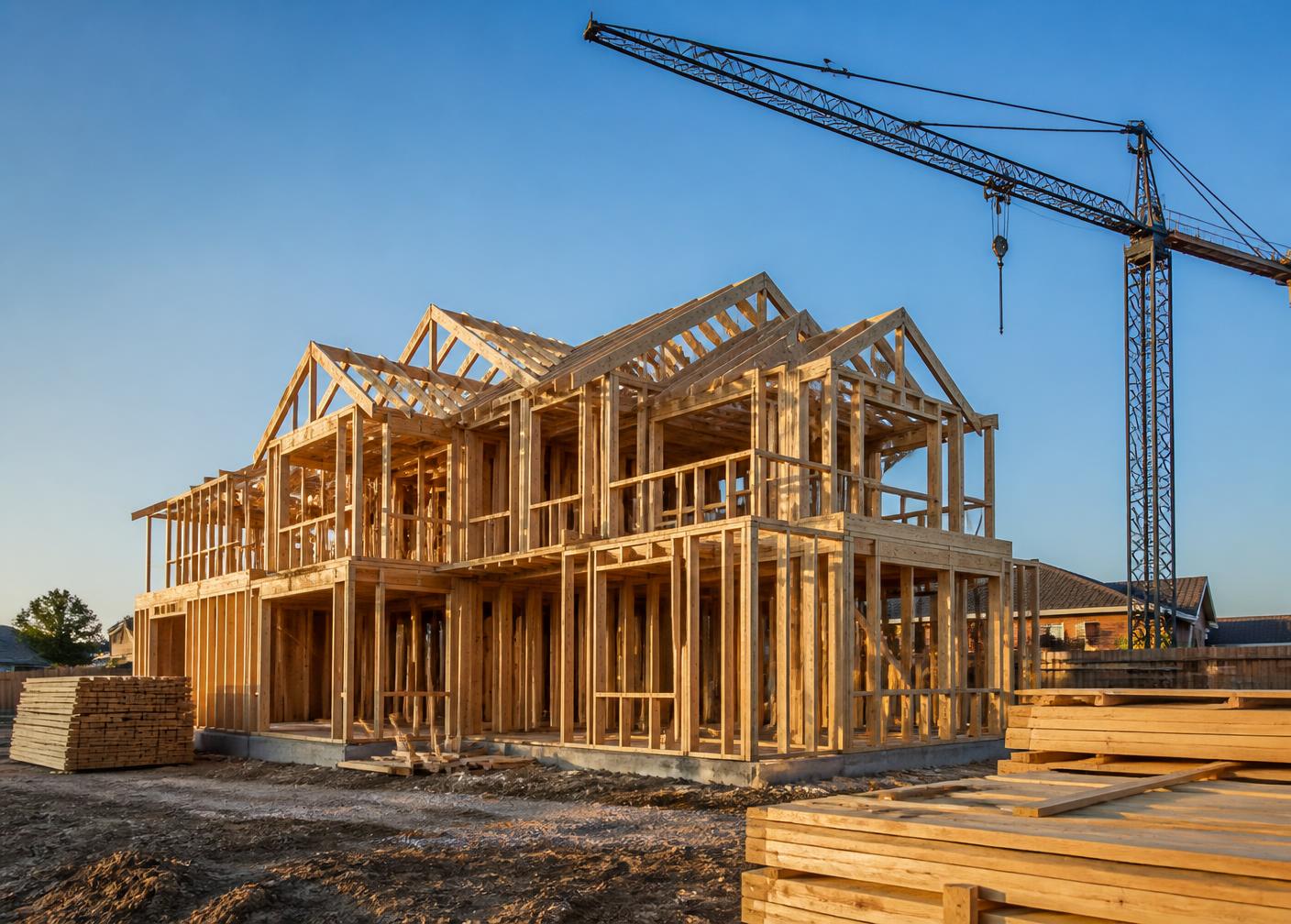
Ground-Up Construction
Financing solutions for qualified investors, builders and developers constructing new investment properties from the ground up.
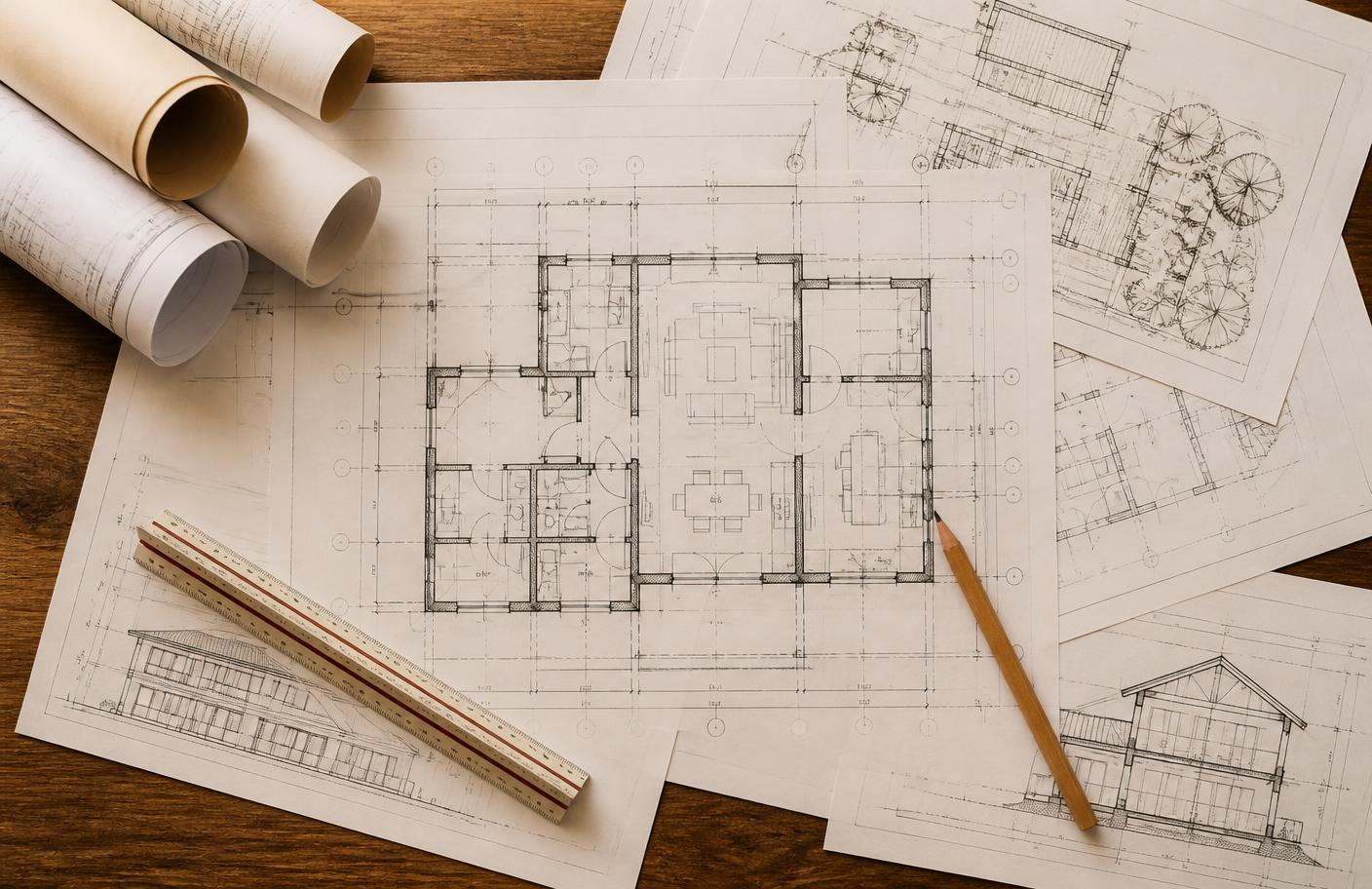
Ground-up construction financing funds the building of a new property rather than the purchase of an existing one. It follows the build itself: capital is advanced in stages as the project progresses from site work through completion.
Because there is no finished asset at the start, the review focuses heavily on the plans, the budget, the schedule, the builder and the projected value once the property is complete.
Some projects begin with a lot the investor already owns; others require acquiring the land as part of the transaction. Both are common, and how the land is treated affects how the overall project is structured.
Documentation on ownership, entitlements, zoning and site conditions is generally reviewed early.
A line-item budget is the backbone of a construction request. It should reflect real bids or well-supported estimates, account for site work and soft costs, and include a contingency for the surprises most projects encounter.
Approved plans and permit status affect both the timeline and the financing structure. Projects that are permit-ready generally move through review more predictably than projects still working through approvals.
Construction capital is advanced against completed phases of work on a defined draw schedule. Each draw is typically requested with documentation and verified before funds are released.
Builders should plan working capital around that rhythm, since draws generally follow completed work rather than precede it. Specific procedures vary. [WJR POLICY TO BE CONFIRMED]
A realistic phase-by-phase schedule is as important as the budget. Weather, inspections, material lead times and subcontractor availability all influence the true timeline.
The completed or stabilized value is the projected value of the property once construction is finished and the property is in its intended operating condition. It is generally supported by an appraisal reviewing the plans, specifications and comparable properties.
The track record of the builder or general contractor on comparable projects is a meaningful part of a construction review, alongside licensing, insurance and references.
Typically the land details and whether it is owned or being acquired, plans and permit status, a line-item construction budget, the builder or general contractor, the projected timeline, the completed value estimate and the intended exit.
Builder and developer experience is one of the elements reviewed on a ground-up project, along with the plans, budget and market. Requirements are confirmed during review. [WJR POLICY TO BE CONFIRMED]
Construction funds are generally advanced against completed phases of work on a defined draw schedule. Inspection and documentation requirements are confirmed for each project. [WJR POLICY TO BE CONFIRMED]
Investor Education
June 20, 2026 · 5 min read · WJR Equity Lending
Ground-Up Construction
May 28, 2026 · 8 min read · WJR Equity Lending
Investor Education
April 24, 2026 · 7 min read · WJR Equity Lending
WJR Equity Lending can review your financing scenario and discuss what options may be available for the property, project and exit strategy.